Three Florida suburbs were named among the nation’s burnout belts.
The Florida suburban commuter towns ranked by combined burnout pressure. The top ranked burnout belt suburb was in South Florida and the two others were in Central Florida.
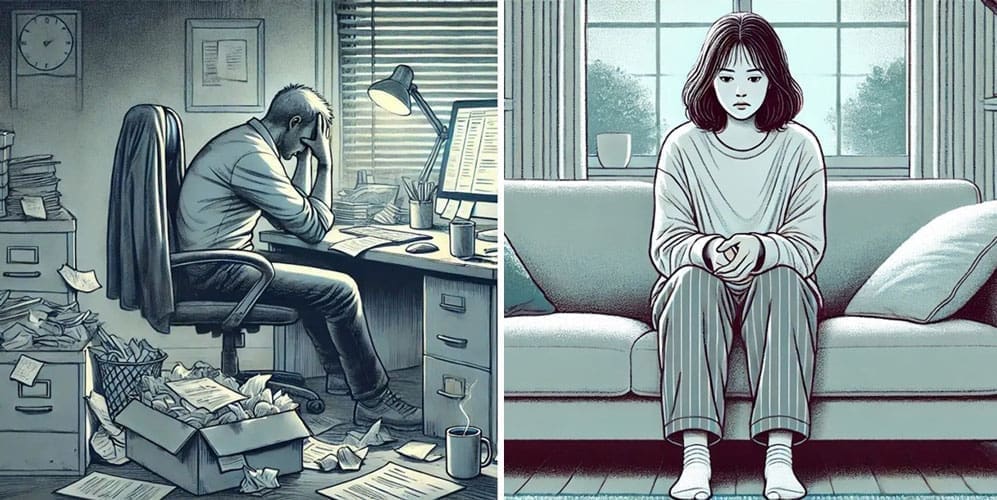
A Mission for Michael sought to identify the commuter ‘burnout belts’ across the country and three Florida locations were featured nationally: Homestead in Miami in South Florida, Clermont in Orlando, and Wesley Chapel in Tampa in Central Florida.
America’s suburbs have long been sold as a refuge – more space, quieter streets, a better balance between work and life. But for a growing number of commuters, that promise is starting to feel a little hollow. Beyond the city limits, the workday doesn’t end when the laptop closes, it stretches into the hours spent behind the wheel, quietly eating into mornings and evenings alike.
In many of these commuter belts, burnout isn’t driven by the job itself, but by everything wrapped around it: the stop-start traffic, the unpredictable delays, and the creeping realization that a significant chunk of each day is simply gone. Over time, the distinction between work and personal life begins to blur, not because of ambition, but because of geography.
To understand where this pressure is felt most acutely, A Mission for Michael surveyed 3,002 drivers, asking them to identify the commutes most associated with burnout – factoring in congestion, roadworks, and sheer time spent getting to and from work. The results reveal a series of “burnout belts” where the daily journey has become an invisible extension of the workday.
“Burnout is often framed as something that happens at work, but for many people, it starts and ends with the commute”, said Anand Meta LMFT, Executive Director for AMFM. “When you’re losing hours of your day before and after work even begins, it leaves very little room to recover. Over time, that constant drain can have a real impact on mental wellbeing — even if it doesn’t feel obvious at first.”
Here are the results of the nation’s burnout belts:
#1. Palmdale, Los Angeles, California
Making the journey from Palmdale into Los Angeles means accepting that the commute will define the shape of the day. Hours vanish on either side of work, swallowed by distance and traffic alike. What’s left for personal time feels borrowed rather than earned. The invisible workday here runs far longer than any job posting would admit. Exhaustion becomes a familiar companion, arriving so gradually it almost feels normal.
#2. White Plains, New York City, New York
The workday begins long before the office comes into view, and it doesn’t let go easily. White Plains commuters heading into New York City know this rhythm intimately: hours surrendered to transit, energy spent before the real work starts. Evenings feel borrowed rather than earned, squeezed into whatever the commute leaves behind. The strain doesn’t announce itself in any single moment—it seeps in gradually, day after day. By the time exhaustion becomes visible, the pattern has already taken hold.
#3. Tracy, San Francisco, California
For those who call Tracy home but work in San Francisco, the commute is a significant chapter of the day in its own right. The distance demands hours that never get returned, stretching the workday well past any reasonable definition. Mornings begin in darkness, and evenings offer little reprieve. The pressure accumulates silently, rarely acknowledged but always present. By the time the weekend arrives, there’s a deficit that two days can’t quite repair.
#4. Homestead, Miami, South Florida
Mornings begin early out of necessity, and evenings arrive already halfway spent. The distance between Homestead and Miami defines the shape of each day, leaving little room for anything unexpected. What’s left for rest feels borrowed rather than earned. The commute doesn’t just add time—it takes something with it. For many here, the workday doesn’t truly end; it just changes location.
#5. Temecula, San Diego, California
The gap between Temecula and San Diego is more than geographical—it’s a daily negotiation of time and energy. Commuters here surrender significant hours to the road before the workday even begins. Evenings arrive late and leave early, compressed into whatever remains after the drive home. The toll isn’t dramatic; it’s cumulative, building quietly over weeks and months. For many, burnout isn’t a sudden event but a slow unraveling.
#6. Tacoma, Seattle, Washington
The road into Seattle demands hours that never get returned, reshaping the day around its requirements. Mornings begin with time already spoken for, and evenings arrive with less margin than expected. Tacoma commuters know the rhythm intimately: personal time steadily borrowed by the demands of the drive. What starts as routine slowly reveals its true weight. Burnout builds in the spaces between leaving home and finally switching off.
#7. Sandy Springs, Atlanta, Georgia
The workday begins long before the office comes into view, and it doesn’t let go easily. Sandy Springs commuters heading into Atlanta know this rhythm intimately: time surrendered to traffic, energy spent before the real work starts. Evenings feel borrowed rather than earned, squeezed into whatever the commute leaves behind. The strain doesn’t announce itself in any single moment. It accumulates quietly, building in the margins of each day.
#8. Frederick, Bethesda/DC Metro, Maryland
The workday begins long before the office comes into view, and it doesn’t let go easily. Frederick commuters heading into the Bethesda and DC Metro area know this rhythm intimately: hours surrendered to traffic, energy spent before the real work starts. Evenings feel borrowed rather than earned, squeezed into whatever the commute leaves behind. The strain doesn’t announce itself in any single moment. It accumulates quietly, building in the margins of each day until exhaustion feels like the default.
#9. Katy, Houston, Texas
What should be personal time gets absorbed by the road before anyone stops to measure it. Katy residents making the journey into Houston know the trade-off well: hours surrendered to the commute, evenings arriving with less to give. The routine feels sustainable at first, but the cost reveals itself over time. Rest becomes a narrowing window that keeps getting pushed later into the night. For many here, the workday doesn’t respect its official boundaries.
#10. Naperville, Chicago, Illinois
A significant portion of the day is already spoken for before the office even comes into view. The commute from Naperville into Chicago reshapes everything around it—mornings surrendered early, evenings arriving halfway spent. What’s left for personal time feels borrowed rather than earned. The strain doesn’t build in any single dramatic moment; it seeps in day after day. For many here, switching off feels like a luxury the schedule can’t quite afford.
The two other Florida locations that were also ranked among America’s burnout belts were:
#19. Clermont, Orlando
Personal time becomes a narrow window that keeps getting pushed later into the night. The road between Clermont and Orlando claims hours in both directions, leaving mornings rushed and evenings thin. The fatigue sets in gradually, building in the commute until it feels almost normal. For residents here, the workday extends far beyond its official boundaries. Exhaustion doesn’t announce itself—it just moves in.
#20. Wesley Chapel, Tampa
The workday doesn’t end when the office closes—it lingers on the highway home. Wesley Chapel residents commuting into Tampa know the familiar trade-off: mornings surrendered early, evenings compressed into whatever remains. What looks manageable on paper wears differently in practice. The strain accumulates quietly, settling into routines until it feels inevitable. The invisible workday runs longer than any timesheet would suggest.
Check out the burnout belts report online.