


Thirty-five years ago, our nation took a landmark step forward for independence and equality: the signing of the Americans with Disabilities Act (ADA) on July 26, 1990. Every summer, we celebrate the anniversary of that milestone as the ADA continues to support inclusion and equality for the more than 70 million Americans with disabilities — 1 in 6 of those representing children with a developmental disability.
When we talk about “independence” for disabled Americans, and especially people with developmental disabilities, it’s important to recognize that freedom is not talking about “doing it alone.” It’s about giving people tools they don’t necessarily have — tools that everyone around them takes for granted — that help them navigate the world with confidence and make choices about their lives and futures.
Some people with a developmental disability are limited in their ability to understand social interactions. That can make it difficult to read body language, voice tone or eye contact. When standing in line at the grocery store, they might not notice the line is moving or not know what the line is supposed to do — and when others start getting impatient, they may not be able to interpret that negative feedback.
But not having those skills doesn’t mean they can’t be learned. Assistive education and therapy can help people develop a response for unfamiliar situations — whether it’s something as simple as saying “hi” and making eye contact when someone approaches, or something as important as interviewing for a job.
All too often, folks with developmental disabilities hear from people with good intentions what they “can’t” do. You can’t take the bus; you’re not capable; I’ll drive you. But when you can learn to use the bus, that opens up a world of possibility and freedom. It’s a truth we’ve encountered again and again: Everyone can learn — they just need the opportunity.
At independent living apartments like Quest Village, residents are offered wraparound services that can help them manage tasks they may not be able to do independently, such as taking care of their apartment, going grocery shopping, or knowing what their medications are and when to take them. Over time, they may be able to learn these skills through coaching and practice; for others, they might always need to rely on someone else’s help.
But achieving any degree of independence, no matter how incremental it may seem, is always worth celebrating. That’s true whether it’s a child attending an accessible summer camp to spend time with their peers, a young adult moving into their first independent living apartment, or a person in residential care learning how to feed themselves instead of needing to rely on a caregiver.
Everyone in the world has challenges. Maybe they’re financial or interpersonal troubles; maybe you’re struggling with mental health; or maybe you’re learning to navigate the world with a disability. No matter who you are or where you come from, all people deserve the chance to live fuller, freer lives.
As we celebrate 35 years of civil rights for disabled Americans this summer, there’s no better time to help Central Floridians experience a full life. Whether by volunteering with Quest, donating or spreading the word to friends and neighbors, every bit of support makes a difference — and that difference can be life-changing.
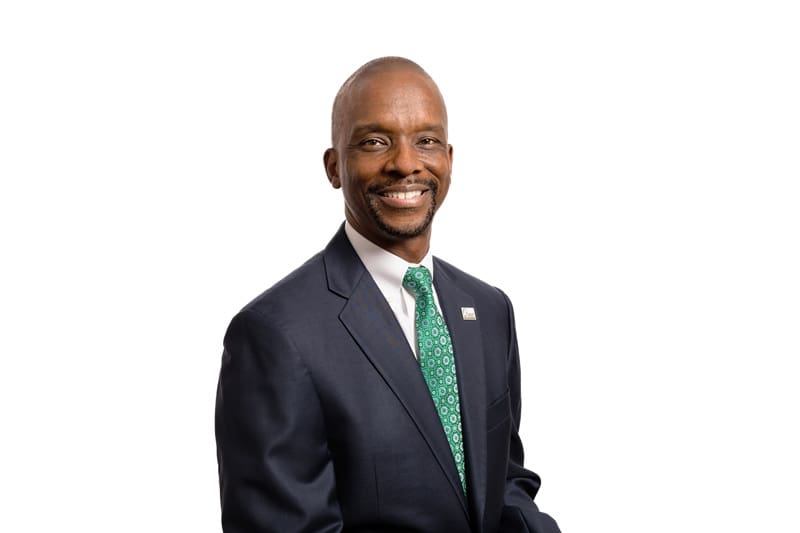 John Gill is president and CEO at Quest, Inc., a local nonprofit organization that has been helping individuals with developmental disabilities experience a full life for over sixty years. Since the humble beginnings of a single location serving eight individuals in 1962, Quest, Inc. now provides lifelong services to more than 500 individuals each day in over 20 locations in Orlando and Tampa.

.)