Locally acquired dengue fever cases have been reported in Florida.
Human cases of locally-acquired dengue fever in state has led the Florida Mosquito Control Association (FMCA) to urge Floridians to take precautions and help mosquito control professionals across the state reduce the risk of mosquito borne illnesses.
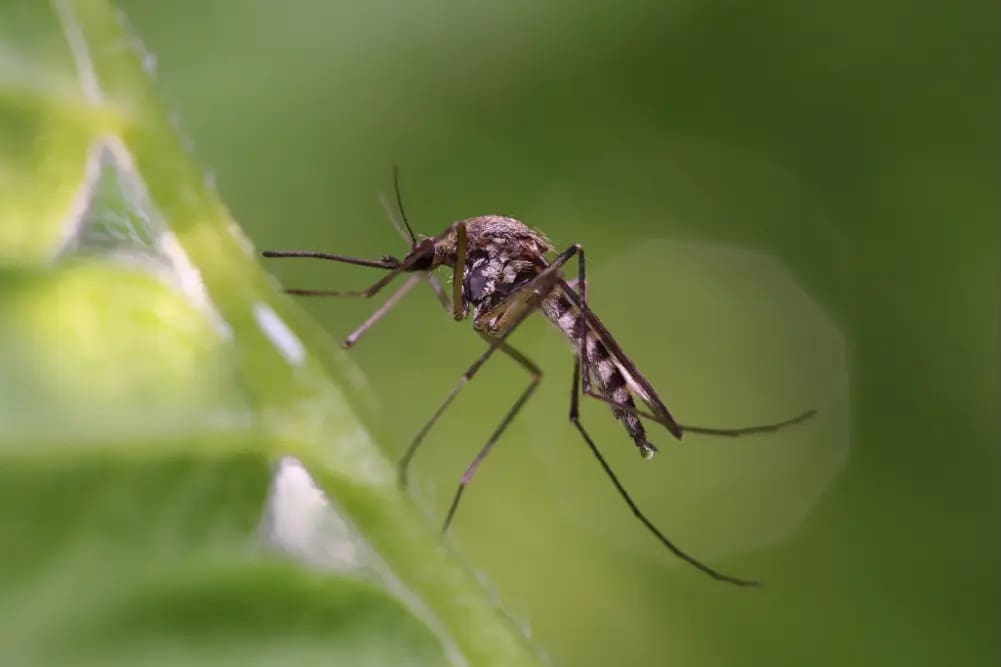 The confirmed cases underscore the importance of Florida’s year-round mosquito surveillance, prevention and control efforts. Florida’s climate is perfect for mosquitoes, and an influx of visitors, especially in popular destinations like Tampa, enjoying a vacation raises the opportunities for diseases to spread.
According to a recent state weekly report, 152 cases of locally acquired dengue and 16 mosquito pools have been reported from six counties in 2026. Many cases were reported in the Tampa Bay area, which prompted the Florida Department of Health in Hillsborough County to issue a mosquito-borne illness alert.
The locally acquired cases reported in Florida this year include major counties like Hillsborough County, Miami-Dade County, Pinellas County and Palm Beach County. In Hillsborough County, multiple mosquito pools also tested positive for dengue virus.
“Dengue is not simply an uncomfortable illness—it can be debilitating and, in severe cases, life-threatening,” said Peter Jiang, PhD, director of Hillsborough County Mosquito Management and the president of the Florida Mosquito Control Association, (FMCA). “It is sometimes called ‘break-bone fever’ because of the intense muscle, joint and bone pain it can cause. For Floridians, it is an important reminder that mosquito control is not just about preventing a nuisance; it is an essential public health service that helps protect our residents and communities from mosquito-borne disease.”
Florida is home to some of the nation’s top mosquito control scientists and professionals. Coordinating with the Florida Department of Health surveillance efforts are focused on limiting the spread.
“And while success is never final, every resident and visitor to our state should know that Florida remains safe and accessible,” he said. “Scientists and highly trained mosquito control professionals work closely with health officials 24/7 to limit the spread of any diseases.”
The state Department of Health says that dengue can “present as a flu-like illness with severe muscle aches and joint pain, fever, and sometimes a rash.”
Symptoms appear within 15 days of being bitten by an infected Aedes aegypti mosquito. The disease is not contagious among humans.
Every Floridian can help, especially during hot weather which speeds up the lifecycle of a mosquito. The American Mosquito Control Association has a summary of measures, calling them the three Ds of protection:
- Drain –Following a rain or storm, each household and property becomes a virtual resort for mosquitoes looking for a place to breed. Emptying any water in toys or planters or anywhere is a critical and easy step to slow or eliminate the opportunity for mosquitoes to lay eggs. Mosquitoes only need a teaspoon of water to breed, emptying even small accumulations of water outside can make a difference.
- Dress – Wearing light-colored, loose-fitting clothes are a deterrent to mosquitoes, long sleeves or pants provide even more protection.
- Defend – Use insect repellants that are registered by the U.S. Environmental Protection Agency, especially those with DEET. They pose little to no risk for humans but are powerful shields against mosquitoes.
There are 67 mosquito control programs in the state, including 15 independent districts that partner with each other and local departments of health to share important news, resources and scientific studies. They also stand ready to respond to any Floridian’s request for local mosquito treatment.